When Bathroom Surface Mold Returns: Knowing When to Clean Caulk or Replace It
Bathroom caulk serves a simple but vital purpose: it seals gaps where water might sneak behind tiles, around tubs, and along sinks. Over time, though, that smooth bead of caulk can turn dark, speckled, or downright fuzzy. The question many homeowners face is whether they can scrub that discoloration away or whether the caulk itself needs to come out. The answer depends on what you find when you look closely. Understanding the difference between surface-level bathroom surface mold and growth that has penetrated the caulk can save you time, money, and repeated frustration.
Check the Age and Condition of the Caulk
Start by looking at the caulk itself. Fresh, well-maintained caulk is flexible and smooth. Old caulk becomes brittle, shrinks, or peels away from the edges. If the caulk is cracking, pulling away from the tile or tub, or feels hard and crumbly, cleaning it will not restore the seal. The gaps underneath will still trap moisture, and mold will keep returning because the barrier is broken. In that case, replacement is the only durable fix. If the caulk still feels pliable and adheres firmly along its entire length, you have a chance to clean it successfully.
Distinguish Surface Mold from Embedded Growth
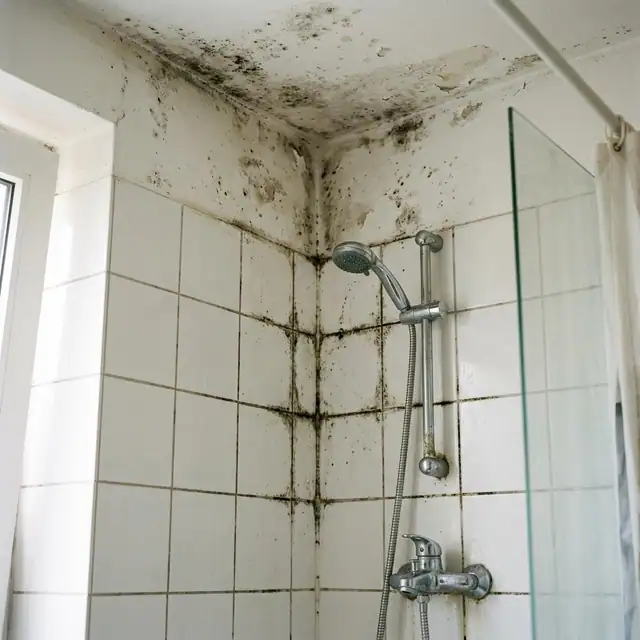
Surface mold sits on top of the caulk. It often wipes away with a mild cleaner or a bleach solution. Embedded mold, on the other hand, has worked its way into tiny pores or cracks in the caulk material. You can test this by scrubbing a small section with a soft brush and a bathroom cleaner. If the dark spots disappear and the caulk underneath looks clean and intact, you are dealing with surface mold. If scrubbing leaves a faint stain or the discoloration returns within a few days, the mold has colonized the caulk itself. At that point cleaning is a temporary fix; the mold will resurface because it has a foothold inside the material.
Another clue is the pattern of the growth. Surface mold usually appears as scattered spots or a thin, even discoloration. Embedded mold often shows as dark lines that follow the grain of the caulk or as concentrated patches that look almost black. If you see a mix of both, treat the whole section as embedded and plan to replace it.
Consider What Type of Caulk You Have
Not all caulk behaves the same way. Silicone caulk is non-porous and resists moisture, but it also repels water-based cleaners. Mold can still grow on its surface if soap scum or dirt provides a foothold. Acrylic latex caulk is easier to paint but more porous, which means it can absorb moisture and harbor mold deeper. If your bathroom has acrylic caulk and you notice recurring mold, replacement with a silicone-based product is usually the better long-term choice. Silicone caulk labeled as mold-resistant can slow regrowth, but no caulk is truly mold-proof. The key is that a porous caulk that has soaked up moisture will never be fully cleanable.
You can identify the type by feel. Silicone feels rubbery and stays flexible. Acrylic feels harder and can crack when dry. If you are unsure, check the original product label or ask at a hardware store. Knowing what you are working with helps you decide whether cleaning is worth the effort.
Evaluate the Surrounding Area
Mold on caulk is often a symptom of a bigger moisture problem. Look at the grout nearby, the condition of the tile, and the ventilation in the room. If the grout is crumbling or the tile has loose edges, water is likely getting behind the caulk and feeding mold from underneath. In that case, cleaning the caulk surface will not stop the growth because moisture is still reaching it from behind. You need to address the underlying issue first, which may involve regrouting or even replacing damaged tiles. If the surrounding surfaces are sound and the room has good airflow, surface cleaning has a much better chance of lasting.
Pay attention to how quickly the mold returns after you clean. If it comes back within a week or two, something is keeping the area damp. That could be a slow leak, poor ventilation, or a shower curtain that traps steam. Fixing the moisture source will make both cleaning and replacement more effective. Without that step, you will be repeating the same process every few months.
Decide Based on the Depth of the Problem
As a rule of thumb, if the mold is only on the surface and the caulk is in good shape, cleaning is a reasonable first step. Use a soft brush, a mild cleaner, and rinse well. Avoid harsh scrubbing that could damage the caulk surface and create new places for mold to hide. If the mold has penetrated the caulk or if the caulk is old and failing, replacement is the better choice. Trying to clean caulk that is already compromised is a waste of effort; the mold will return and the seal will continue to fail.
Replacement involves cutting out the old caulk, cleaning the gap thoroughly, drying it, and applying a fresh bead. It takes more time and care than cleaning, but it resets the clock on mold growth. If you choose this route, make sure the gap is completely dry before applying new caulk. Even a small amount of trapped moisture can feed mold behind the new seal. Silicone caulk needs a clean, dry surface to bond properly, and any residue from old caulk or mold can prevent that bond.
When to Call for Professional Help
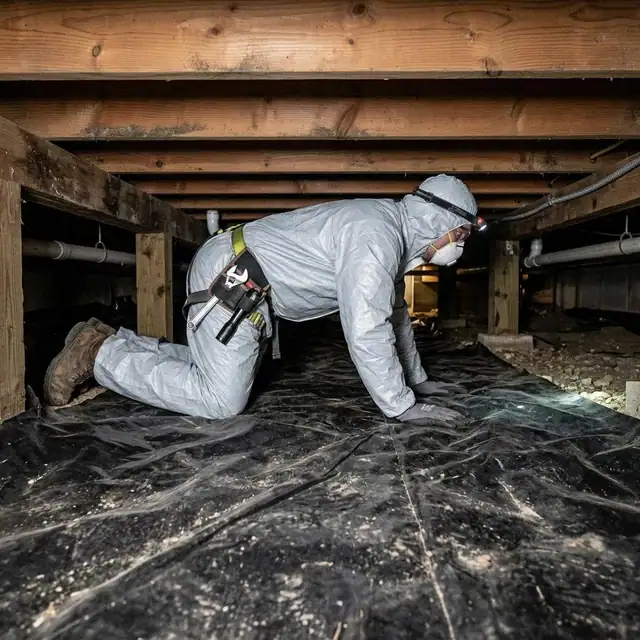
Some situations go beyond what a homeowner can fix with a tube of caulk and a cleaning brush. If the mold covers a large area, if you suspect it has spread behind tiles or into the wall, or if you have recurring moisture problems that you cannot identify, professional assessment makes sense. A service that specializes in bathroom mold remediation, like the team behind moldremovalboston.org, can evaluate the full picture. They look at visible growth, hidden moisture, damaged materials, and ventilation issues together. That comprehensive approach often catches problems that surface-level fixes miss.
Mold Removal Boston Pros offers this kind of thorough evaluation for Boston-area homes. Their work goes beyond cleaning caulk; they address the conditions that allow mold to thrive in the first place. If you find yourself replacing caulk every few months or scrubbing mold that keeps coming back, it may be time to bring in professionals who can trace the problem to its source.
Prevent Mold from Returning
Whether you clean or replace the caulk, prevention is the only way to make the fix last. Improve bathroom ventilation by running the exhaust fan during and after showers. Wipe down wet surfaces after use, especially corners where caulk meets tile. Keep the bathroom door open when possible to allow air circulation. Check caulk joints periodically for early signs of cracking or discoloration. Catching a small spot early is much easier than dealing with a full-blown mold problem later.
If you notice that mold keeps returning to the same spots despite good cleaning habits, the caulk may be the weak link. Replacing it with a fresh, mold-resistant silicone product can break the cycle. But if the room stays damp or has hidden leaks, even the best caulk will eventually fail. That is where a holistic approach matters most.
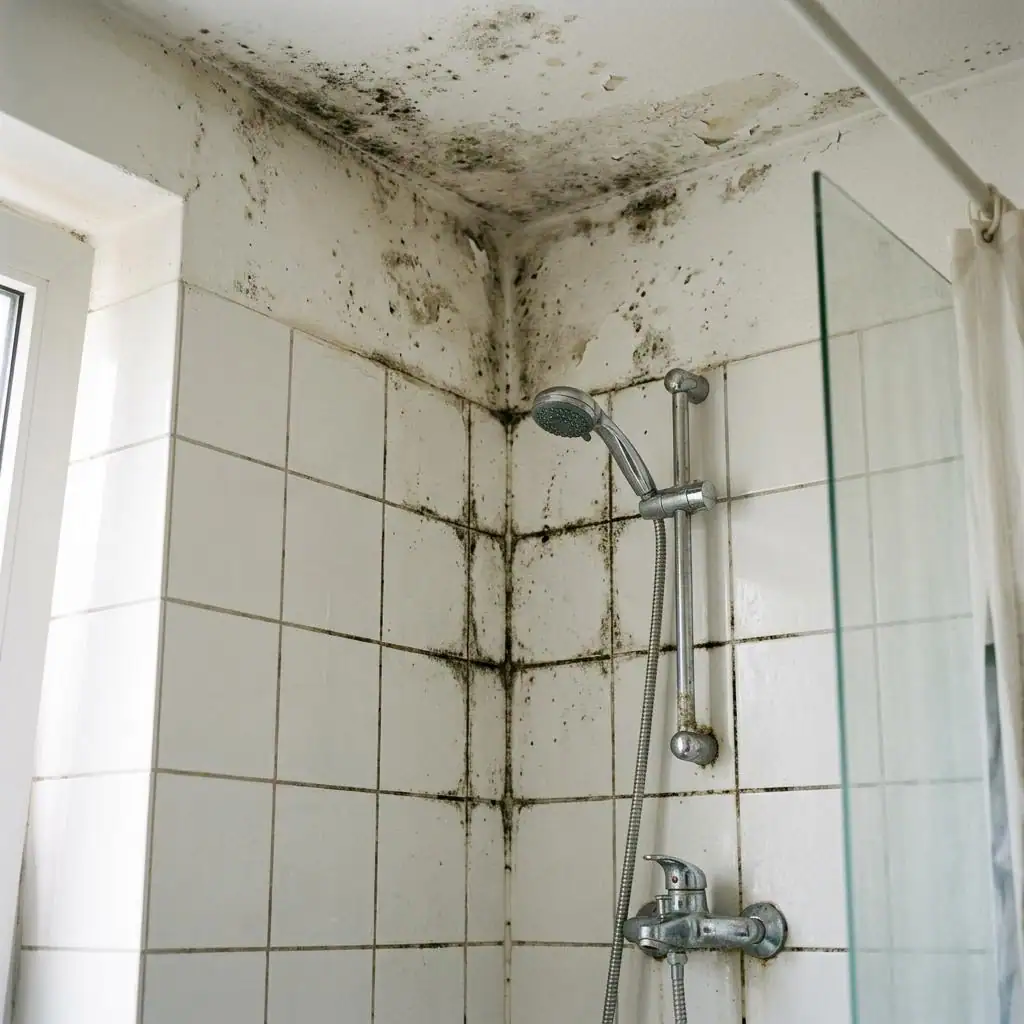
Mold Removal Boston Pros emphasizes that lasting results come from treating the root causes, not just the symptoms. Their work with bathroom surface mold focuses on identifying moisture sources, repairing damaged materials, and improving ventilation. For homeowners in the Boston area, that kind of targeted service can prevent the frustration of repeated cleaning and replacement. You can learn more about their approach at moldremovalboston.org, where the focus is on practical, durable solutions for bathroom mold.
In the end, deciding whether to clean or replace moldy caulk comes down to a few simple checks. Look at the caulk's condition. Test whether the mold is on the surface or embedded. Consider the type of caulk and the surrounding environment. If the caulk is sound and the mold is only on top, a thorough cleaning might buy you months of clean results. If the caulk is failing or the mold has worked its way in, replacement is the right move. And if the problem keeps coming back, take it as a sign that something deeper needs attention. Mold Removal Boston Pros can help you figure out what that deeper issue is and how to fix it for good.